
Before we went full time we watched every RV budget video we could find and came away with nothing useful. Everyone's numbers were different. Everyone's travel style was different. And most of them quietly left out the categories that actually hurt.
We tracked every dollar for our first six months on the road, January through June, and put the breakdown in a video. This post is the part that generalizes: which categories matter, which ones surprise people, and which levers actually move the total.
The exact figures live in the expenses video, because a single number out of context does more harm than good. What follows is the shape of it.
Why anyone else's total is useless to you
Ours covers a specific way of living, and yours will differ on every axis that matters.
We started in Michigan, ran south to Florida for the winter, and worked our way back north. That is over 3,000 miles of towing the Brinkley. About three of the six months we were stationary. We mixed paid campgrounds with a good stretch of boondocking.
The thing that shapes our budget most is that both of us work full time from the rig. That cuts both ways. We need reliable internet everywhere, which is a real line item. And we cannot chase the cheapest spots, because a site that wrecks a workday costs more than it saves.
Faster travel, no remote work, or more boondocking and your numbers move a lot. That is exactly why we show categories instead of a monthly total.
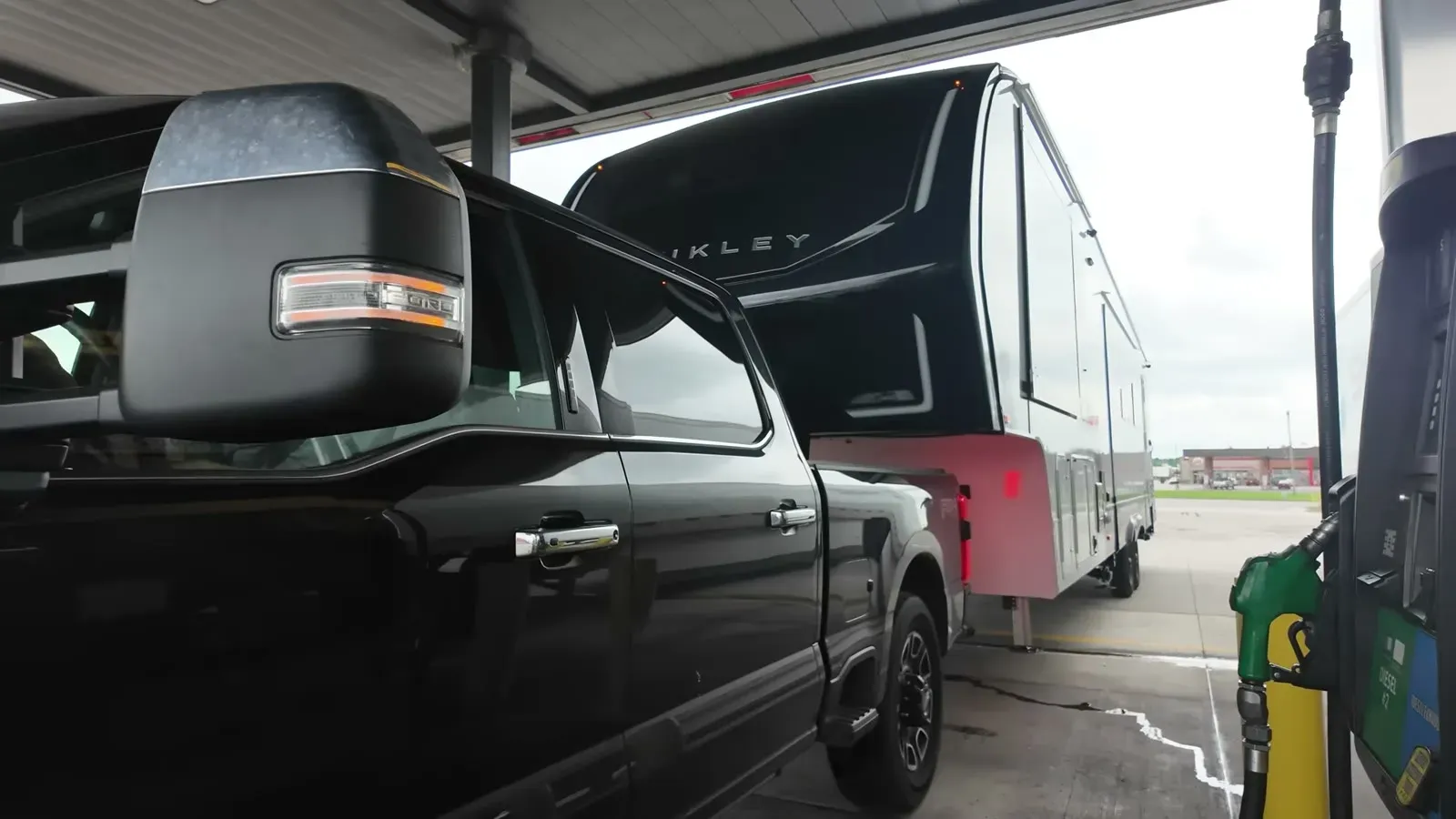
The category that hurts is the truck, not the campground
When people ask what RV life costs, they almost always mean campground fees. They should mean fuel.
Diesel for 3,000-plus miles of towing adds up faster than anything else we spend on, and that is before maintenance on a truck that works hard for a living. A one-ton diesel pulling 17,700 pounds is not getting good mileage, and every mile you drive is a decision with a price on it.
This is the single biggest lever in the whole budget, and it is not the one the forums argue about. Slower travel is the cheapest change you can make. Fewer, longer stays cut the fuel line more than any campground discount club will.
The RV categories, roughly in order
Campgrounds came in lower than they could have, because of three stationary months and the boondocking stretches. Monthly rates and free nights on public land are the two biggest levers here by a wide margin. A monthly rate is often less than a week at the nightly price.
Internet is its own line for us, and we pay for redundancy on purpose because our income depends on it. How that setup works is in our Starlink post.
Propane, tanks and small maintenance. A first year of ownership generates a steady trickle of these. Not dramatic individually, constant in aggregate.
The stuff that breaks. Not really predictable, definitely not zero. Our first year has included a mouse problem, a water leak, and a macerator that decided to quit mid-dump.
The two categories that blindsided us
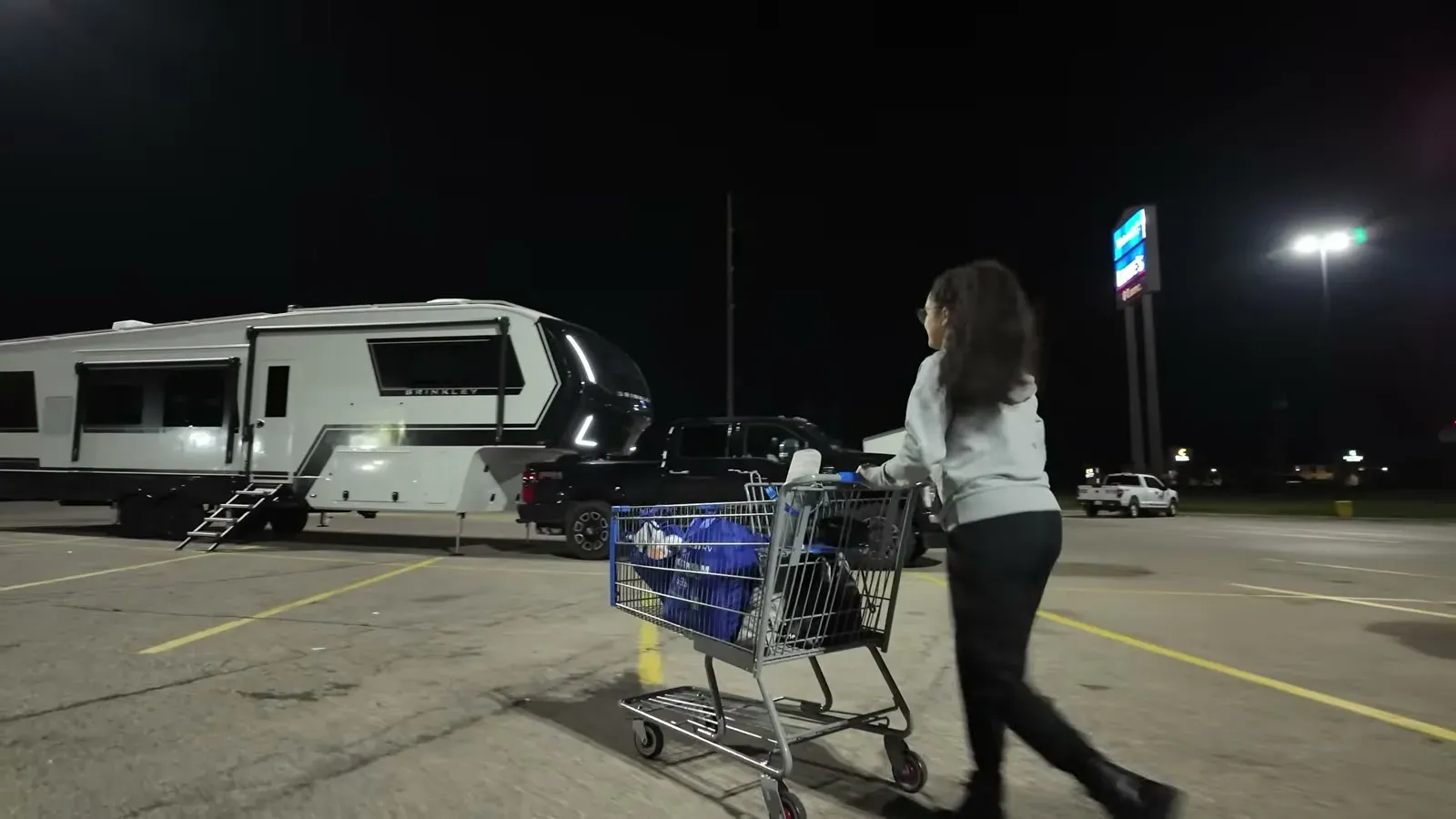
Groceries cost more on the road than in a house. This surprised us and it surprises most people. You shop at whatever store is near rather than the one that is cheap. You rarely catch a sale. And a small RV fridge means more frequent, smaller trips, which is exactly the shopping pattern that costs the most per item.
Entertainment. Here is the honest one. We were in Florida for months. Theme parks exist. We went. Restaurants happened more than they should have.
We are not sorry about most of it. This is supposed to be a life, not an endurance test. But seeing that line in black and white was a moment, and it is the category most budget videos quietly omit because it makes the total look bad. Ours is in there.
What we would change
More boondocking, now that our solar setup can genuinely carry us for a stretch. That was not true in our first months and it is true now.
Slower travel, because fuel is the biggest lever and mileage is the thing we control most directly.
The grocery line improves with planning. The theme park line improves with willpower we may or may not have.
If you are budgeting for this
Take our breakdown as one data point from one working couple with one particular travel style, not a target. Build your own from your own plan: how far you intend to move, how much you can boondock, whether you need internet to earn, and whether you are the kind of people who will walk past a theme park.
The one thing we would tell anyone planning this is that the fuel and the fun are the two lines that decide your total, and they are both mostly under your control. The campground fees everybody obsesses over are the easy part.
For the actual category-by-category numbers, the video has all of it, embarrassing lines included. And if you want the things that do not make the videos, the newsletter goes out weekly.