
We planned a boring three-hour travel day. We got fifteen minutes of it before the truck started complaining about the trailer: lights acting up, brake system warnings, the kind of alerts you cannot shrug off when there are 21,000 pounds behind you. This episode is what happened next, and it changed how we think about roadside assistance.
The call that ate the morning
We did what you're supposed to do: pulled over somewhere safe and called roadside assistance. What followed was a long stretch of hold music while parked with an intermittent electrical fault, watching our driving daylight shrink.

Here's the part nobody tells you when you buy the plan. Roadside assistance is built for clear, nameable problems: a flat tire, a dead battery, a tow to a shop. What we had was an intermittent electrical gremlin on the connection between a truck and a fifth wheel, and that doesn't fit neatly into any of their boxes. The person on the phone can dispatch a tow truck. They cannot diagnose why your seven-pin connection is dropping your brake controller signal, and a tow truck for a 40-foot fifth wheel is not a quick or simple thing to arrange anyway. If your problem is ambiguous, you are mostly on your own in a parking lot with a phone against your ear.
Troubleshooting on the shoulder
So while we waited, we did our own diagnostics. We disconnected and reconnected the trailer, checked the seven-pin plug for corrosion and loose pins, and tested which functions came and went. The full process is in the video, including the moment we had to weigh a real question: what do you actually need working to travel safely, and what can you live without for a careful, slow run?
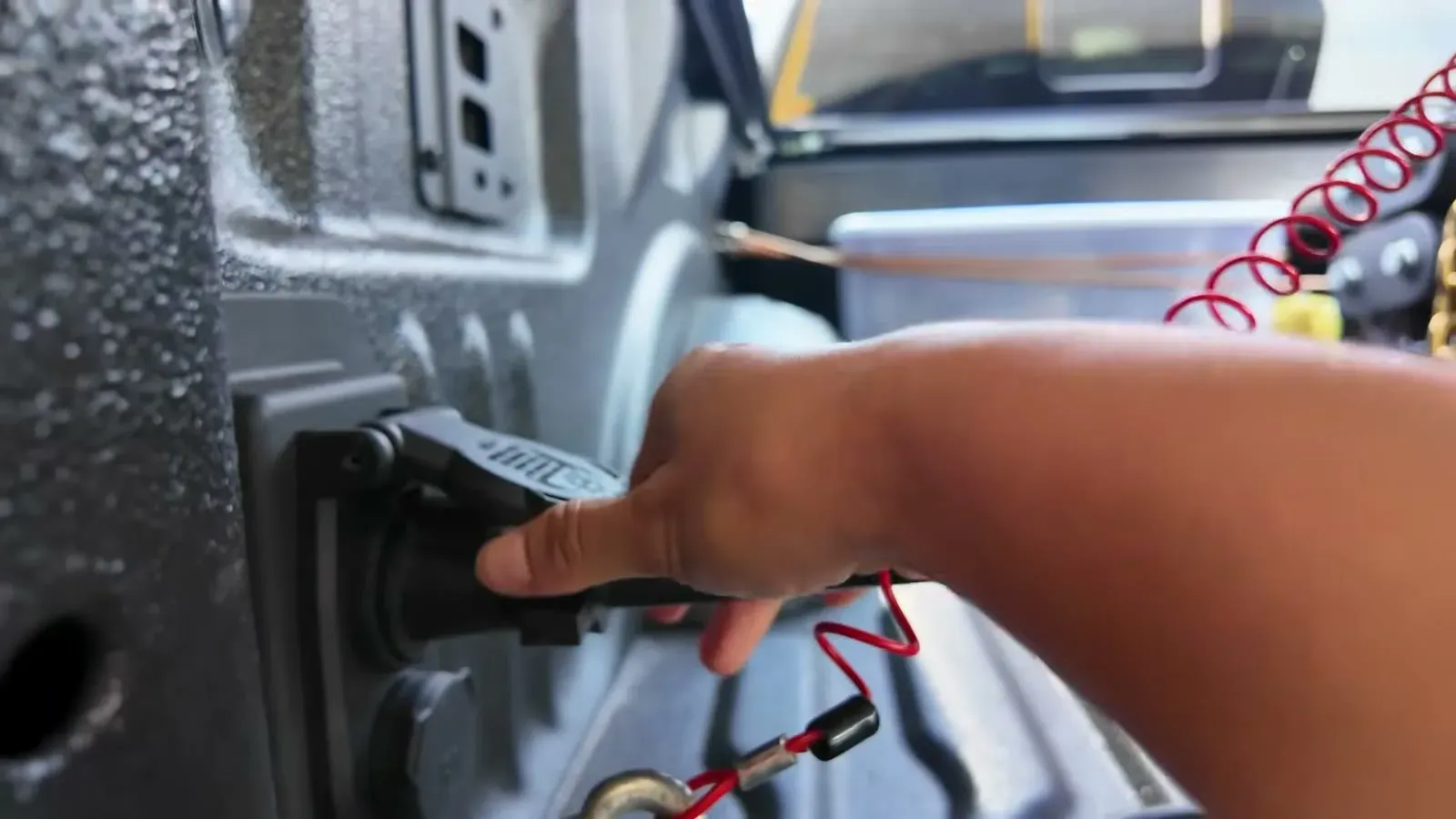
We found a configuration that kept the essential systems working and made the judgment call to continue, driving gentler than usual and checking the connection at every stop. We're not recommending anyone tow with anything safety-critical offline, and we talk through where we drew that line. But travel days sometimes hand you two imperfect options, and sitting on a shoulder until dark has its own risks.
Racing daylight to Wisconsin
The rest of the day was the unglamorous reality of RV travel: a truck stop fuel-up with the trailer attached, rough Midwest highways that shook the rig hard enough to make us wince for the cabinets, and mental math about sunset the whole way. We do not back into unfamiliar sites in the dark anymore. That rule exists because of past experience, and it was the deadline hanging over the entire drive.
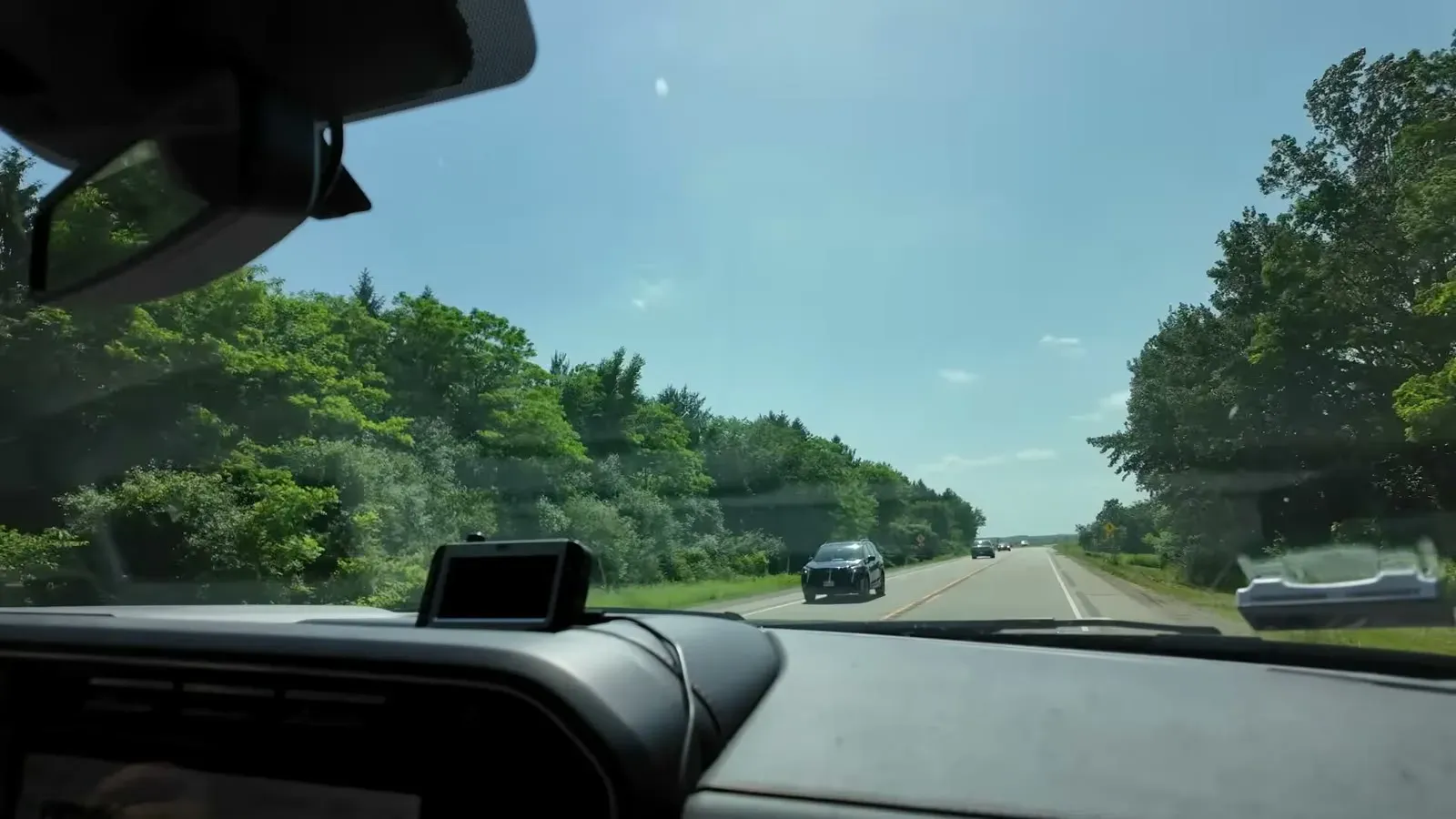
We made it. The last stretch brought us into a genuinely beautiful Wisconsin recreation area where we'd be boondocking for the week, and the relief of dropping the jacks with light still in the sky was better than the view. We topped off our fresh water and finally exhaled.
What we'd tell you
Carry your own basic diagnostic kit and know your trailer connection before something forces you to learn it on a shoulder. Test lights and brakes at every stop when something has been flaky. And read what your roadside plan actually covers before you need it, specifically for a rig your size. The plan is a tow dispatcher, not a mechanic. The fifteen minutes it takes to understand that difference is worth more than the plan itself.
The full breakdown, hold music and all, is in the video on YouTube. We also send a short weekly newsletter about where we are and what broke this week. The signup form is on our newsletter page.