
Before there was a fifth wheel in our lives, there had to be a truck, and this video is us trying to answer the question every future full-timer eventually faces: Ford F-350 or RAM 3500? At the time we were planning around a Brinkley 3100, so we walked both lots, sat in both cabs, and took one of them out on the road to see how it drove empty. Here's how the comparison shook out.
Starting with the RAM 3500
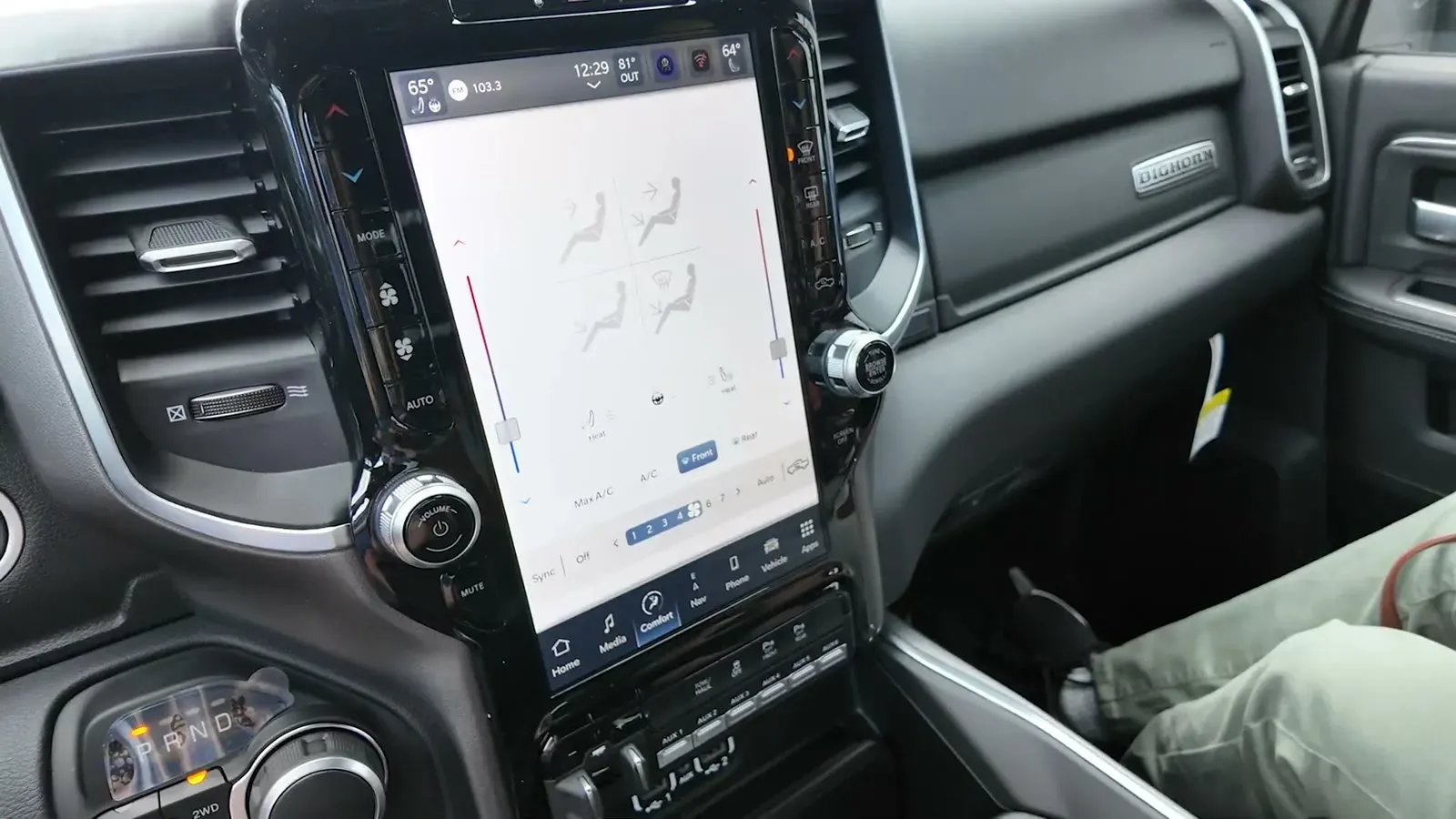
The RAM came first. If you've never sat in a modern one-ton, the interior is the surprise: this class of truck stopped being a bare-metal work vehicle years ago, and the RAM's cab makes a real case as a road-trip living room. The seats are excellent, the layout is clean, and for a rig you might spend six hours a day in on travel days, that matters more than the brochure admits. We went through the bed, the hitch prep, and the numbers that actually decide these things: payload and towing capacity against the Brinkley's pin weight.
Inside the Ford F-350
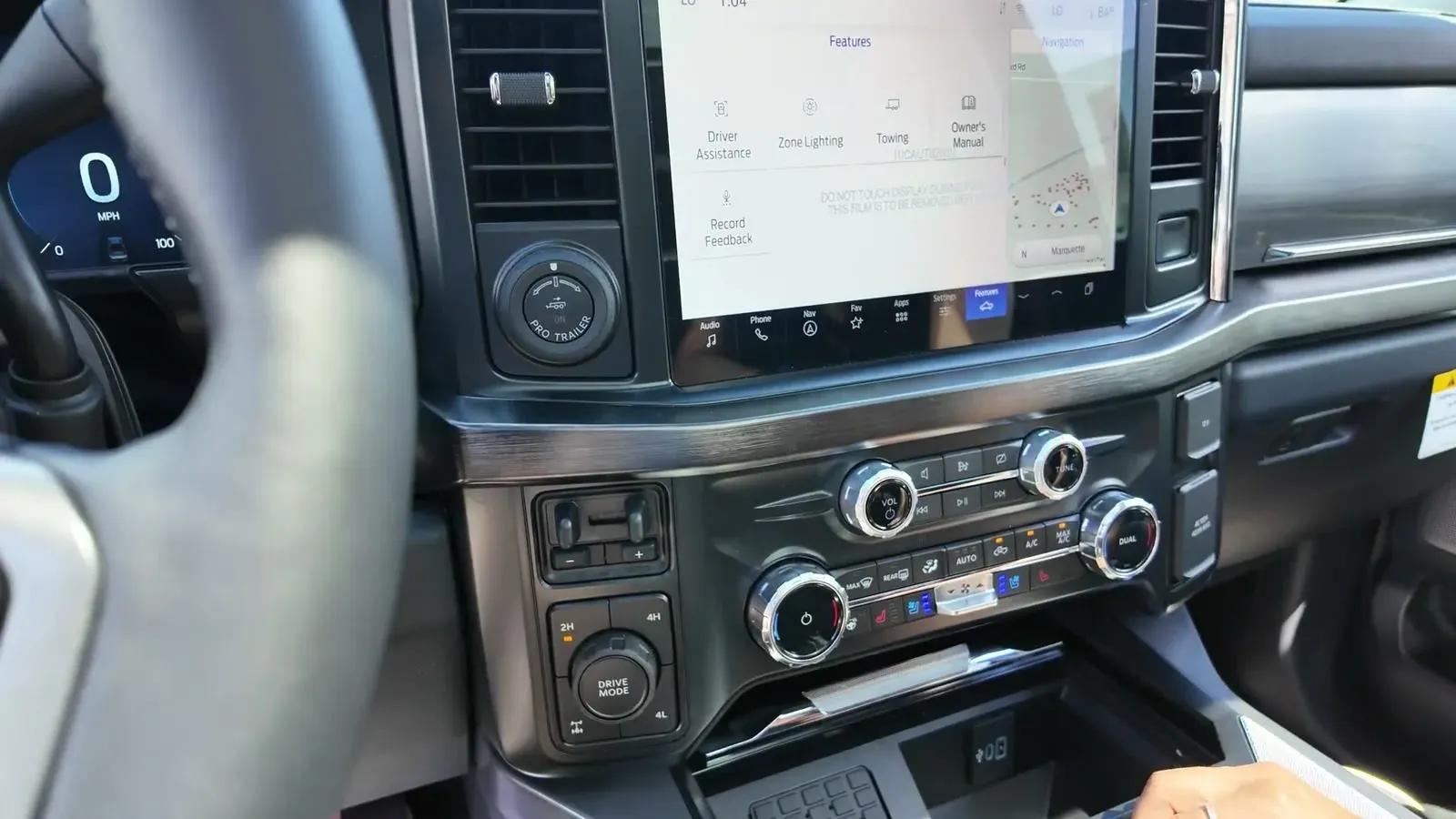
Then we crossed over to the Ford. The F-350's interior takes a different approach, more screens and switchgear, and we spent a good chunk of the video just going through where everything lives. What stood out was the storage: consoles, bins, and enough space to swallow the pile of stuff that accumulates in a truck that's also your daily driver, your tow vehicle, and occasionally your office. Between the two cabs it came down to taste more than a clear winner, which surprised us. We expected one to feel obviously nicer.
The test drive
Driving a one-ton diesel for the first time recalibrates you. The F-350 we took out was long, tall, and heavy, and for the first mile Nathan drove it like it was made of glass. By mile five it had shrunk around him, which is the thing nobody tells you about these trucks: they're intimidating in a parking lot and easy on the open road. The diesel pulls effortlessly, the ride empty is stiffer than a half-ton but far from punishing, and the mirrors and cameras have solved most of what used to make big trucks stressful. The walkaround outside covered bed access, the hitch setup, and the turning radius, which is the spec you feel every single fuel stop.

Why such a big truck?
The last section of the video answers the question we kept getting: why a one-ton for a 3100? Because the math says so. A loaded Brinkley 3100 puts serious weight on the pin, and pin weight comes straight out of the truck's payload along with passengers, hitch, tools, and everything else in the bed. A three-quarter-ton can look fine on paper and end up over its limits in real life. We decided early that we'd rather have capacity we don't use than need capacity we don't have, and nothing in the two years since has changed our minds.

The funny footnote: we did all this homework for a Brinkley 3100 and ended up full-timing in a Brinkley Model Z 3515, which is bigger and heavier. Past us accidentally did future us a favor by buying more truck than the plan required. If your RV plans have any chance of growing, and they usually do, size the truck for the rig you might end up with, not just the one on your wishlist today.
Which truck won us over? Watch the full video on YouTube and find out. We also send a short weekly newsletter about where we are and what broke this week. The signup form is on our newsletter page.